
🌬️ Asthma & Chronic Lung Disease
Advanced pulmonary care for people who are tired of urgent care visits, mystery flares, and vague plans.
Asthma and COPD are not just “inhaler diseases.”
They are complex conditions that change with age, seasons, infections, sleep, medications, and the environment.
At Andover Internal Medicine, asthma and COPD care means:
Better diagnosis
Better planning
Better rescue options
Fewer surprises
Whether you’ve had asthma all your life or recently developed COPD, this program is designed to give you control and safety, not just another inhaler.
1️⃣ Deeper Evaluation Than the Average Clinic
Most visits for “wheezing” last 10 minutes and end with a prescription.
Here, your evaluation can include:
Spirometry – to measure how open your airways really are.
PEFR (Peak Flow) – to track your personal best and how far you are from it, especially at night.
FeNO (Fractional exhaled nitric oxide) – an advanced marker of airway inflammation that helps guide steroid use and biologic therapy.
Arterial blood gases (ABGs) – when needed, to accurately document oxygen and CO₂ levels and guide decisions about home oxygen.
ABGs are especially useful for determining who truly needs home oxygen and for obtaining proper authorization. They also give us a baseline to compare against during future flares.
We also review:
Triggers
Allergies and home environment
Sleep quality and possible OSA
Smoking, vaping, and occupational exposures
2️⃣ Understanding Patterns: It’s Not “Just Allergies”
Patients are often told, “It’s your environment.” The truth is more nuanced.
Winter is usually the worst season – cold air, viruses, wind, and indoor crowding make infections and flares more common.
Spring causes a 2–3 week spike when trees and flowers bloom – but for many patients, this is short-lived.
Summer is often the best season for asthma – fewer viral infections and more stable air patterns.
We help you map your pattern so you know when to tighten your action plan and when to relax it.
3️⃣ Action Plans That Actually Protect You
Especially for patients who “know everything already,” the details matter:
Nighttime is high-risk. Many severe attacks happen in the middle of the night when patients just want to go back to sleep instead of treating aggressively. We build specific, written nighttime PEFR-based plans so you know when it’s safe to treat at home and when it’s not.
Poor hypoxia sensors are dangerous asthmatics. Some patients feel “OK” even with very low oxygen levels. These are the patients who can get into real trouble. We identify them early and build tighter safety nets.
Never run out of medications. We emphasize having a “rainy day” supply: extra inhalers, refills arranged in advance, and clear backup plans if a pharmacy is out.
You’re never guessing what to do at 2:00 AM.
4️⃣ Asthma Changing With Age – and Why That Matters
Asthma often evolves over time:
Airways may become less “twitchy.”
Symptoms can actually improve with age in some people.
Some asthmatics develop COPD-like changes on top of asthma, even if they never smoked.
We explain what this means, how it changes treatment, and how to prevent “quiet decline” in lung function.
5️⃣ COPD: Oxygen, Antibiotics, and Real-Life Questions
Home oxygen
ABGs and overnight oximetry help us decide who truly needs oxygen.
Proper documentation avoids delays and denials.
We coordinate with reliable home oxygen companies in the Wichita/Andover area for setup, supplies, and after-hours support.
“Will oxygen shut off my drive to breathe?”
This is a common fear. Used correctly and monitored, oxygen is lifesaving, not dangerous. We explain when it helps, how to titrate it safely, and when high CO₂ is a concern.
Benzodiazepines and breathlessness
In very selected situations, anxiety management may help; in others, it’s unsafe. We explain the difference and keep safety first.
Antibiotics for COPD exacerbations
Not every flare is bacterial, but many are.
We discuss when antibiotics are appropriate, which types are typically used, and the pros/cons of chronic low-dose antibiotics in severe cases.
6️⃣ Inhalers, Nebulizers, Devices – Used the Right Way
Inhalers vs nebulizers
When is a metered-dose inhaler enough?
When is a home nebulizer machine better?
Who should own a nebulizer (and where to get one locally)?
We teach:
How to correctly use a metered-dose inhaler (with or without spacer)
How to use, clean, and maintain a nebulizer
How to use a peak flow meter accurately and how to interpret the numbers as part of your action plan
Technique is often the difference between “nothing works” and “I feel completely better.”
7️⃣ Advanced Therapies & Individualized Questions
We address questions like:
“Am I a candidate for biologic therapy (e.g., Xolair/omalizumab or others)?”
“Is levalbuterol worth it for me?”
“What does my FeNO result mean?”
“What does this spirometry pattern actually tell us?”
Because we understand these tools deeply, you get clear, honest answers — not vague reassurances.
8️⃣ Smoking, Vaping, and Reality
We don’t lecture. We explain:
How smoking and vaping accelerate COPD
How they worsen control of asthma and blunt medication response
How quitting changes your risk curve over years
We then give you realistic options to quit or at least reduce harm.
9️⃣ In-Office Exacerbation Care
Many flares can be treated directly in the office:
Nebulized bronchodilators
Oxygen and monitoring
Steroid dosing
Peak flows before/after treatment
If you are too short of breath, we will direct you immediately to the ER — but when safe, being treated by someone who knows your history can prevent unnecessary hospital visits.
🔟 Social & Gender Realities of Asthma
We acknowledge realities most clinics ignore:
Young women often have more severe asthma, more infections, which is a major acute asthma trigger, and more hospitalizations because they are caring for sick children and juggling multiple roles.
Severity of asthma is often a surrogate for poverty and crowded living conditions — infections ping-ponging between kids and adults in smaller homes or apartments.
You’re not “noncompliant.”
You’re often overwhelmed — and we plan around that reality.
🔹 For Members
Service
Price
Includes
Asthma/COPD Optimization Add-On
$35/month
Ongoing medication adjustment, action plan design, PEFR guidance, FeNO/spirometry interpretation, season-specific strategy
Advanced Pulmonary Evaluation (one-time)
$125
ABG if needed, full spirometry, FeNO, device training, detailed trigger review
Nebulizer & Device Training Session
$35
Inhaler technique, spacer, neb operation & cleaning, peak flow coaching
🔹 For Non-Members
Service
Price
Includes
Initial Asthma/COPD Consultation (60 min)
$295
Full history, spirometry, FeNO if indicated, review of prior records, action plan
Asthma/COPD Optimization Program
$125/month
Follow-up visits, plan revisions, device optimization, coordination for home O₂, advanced therapeutics
Nebulizer/Device Setup & Training
$65
Selection, sourcing, technique, cleaning protocol
If you’ve had asthma or COPD for years, you probably know your inhalers. But there are dozens of details — from nighttime risk to poor hypoxia sensing to how FeNO and spirometry really guide care — that most clinics never talk about. This program is built for people who want to understand their lungs, increase amount of time wheeze -free, avoid missed school or workdays because of asthma, and stay out of the ER.
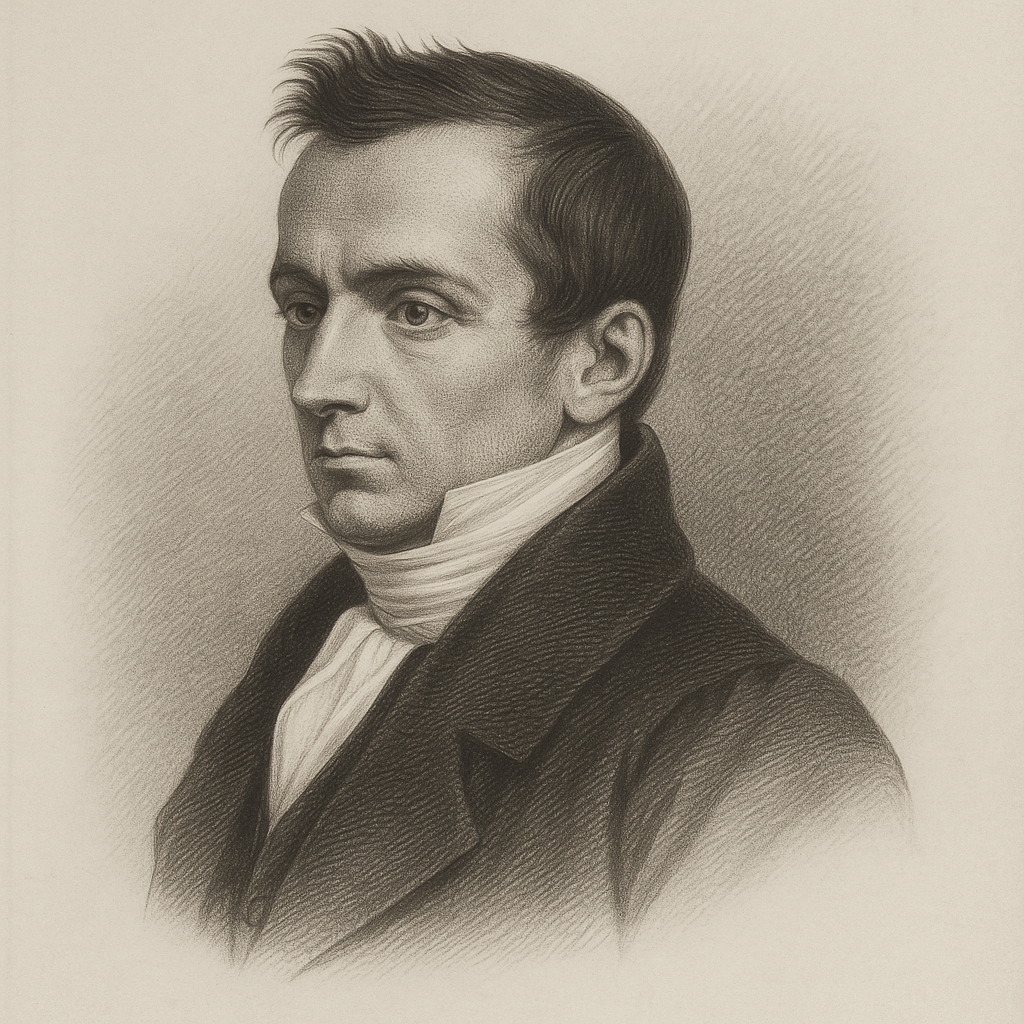
Rene Laennec, inventor of stethoscope
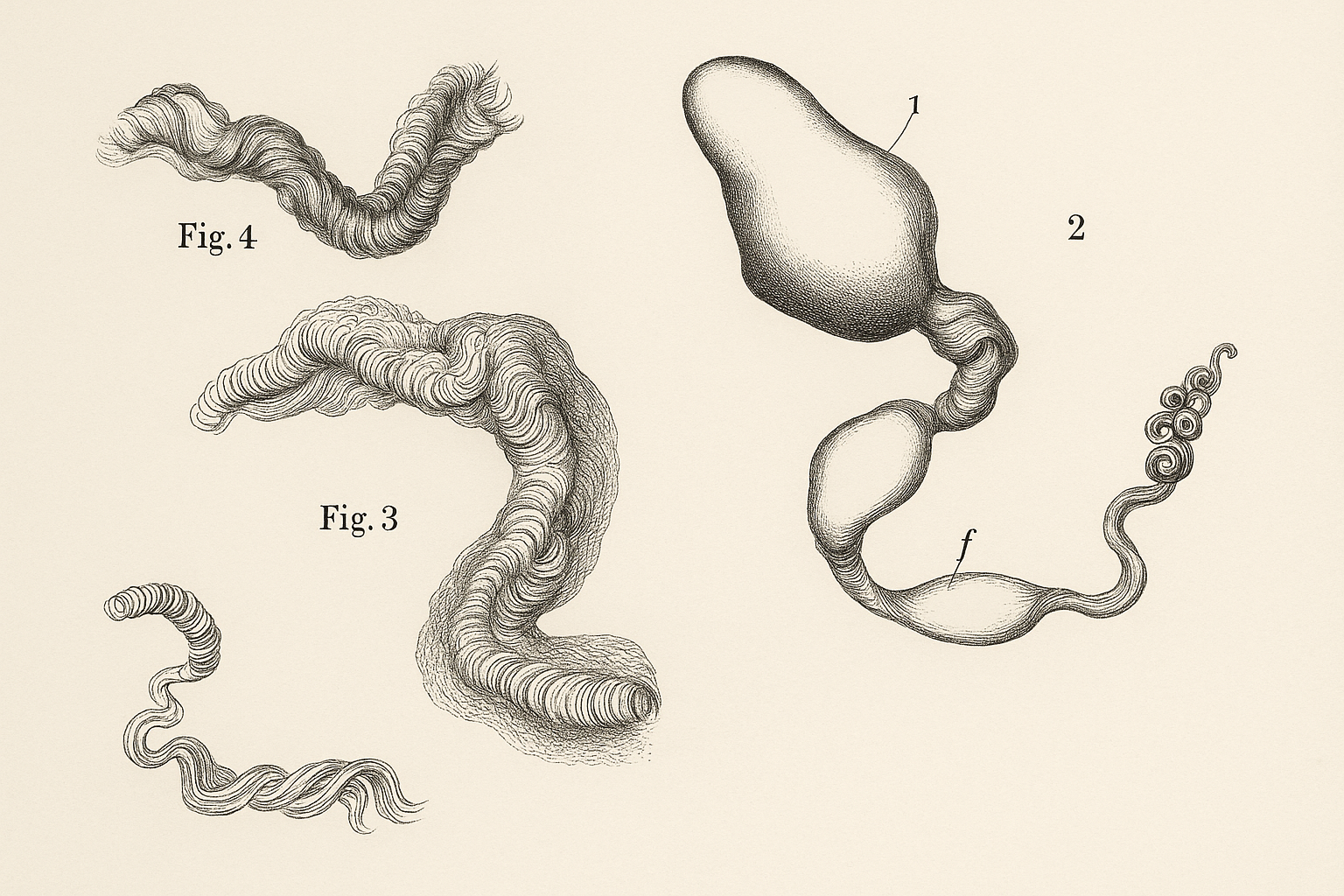
Curshmann spirals from airway inflammation in asthma